
Guide · April 2026 · 5 min read
Building on Your Own Land in North Idaho
Plenty of our clients already own the perfect piece of North Idaho — a few acres in the trees, a hillside with a view, a family parcel they’ve held for years. Building on your own land is one of our favorite ways to work, because the land has already made half the decisions before we start.
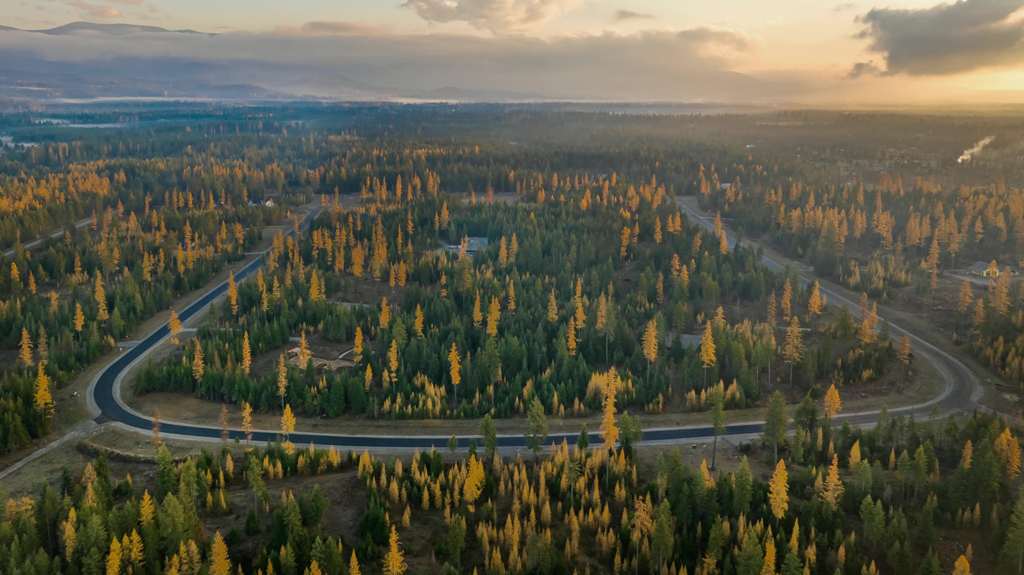
It starts with a walk
Before we draw anything, we walk the land with you — looking at grade, trees, sun, views, access, and where the well, septic, and power will go. The site shapes the home, and getting this right early saves money and heartache later.
A walk answers questions a survey cannot. Where does the morning light actually land. Which trees are worth building around and which are coming down anyway. Where does water go in the spring. How far is the run from the road, and what does that do to the driveway and the power. Where does the shop sit so it is useful without being the first thing you see.
Design around the site and your budget
Then we design a home that fits the ground and the way you live, priced to your budget from the start. You can begin with one of our plans or a clean sheet of paper — either way it becomes your home, not a template.
Starting from a plan is usually faster and easier to price, because the structure is already proven. Starting from nothing gives you more freedom and takes longer. Both are real options and neither is the wrong answer — it depends on how particular your land is and how particular you are.
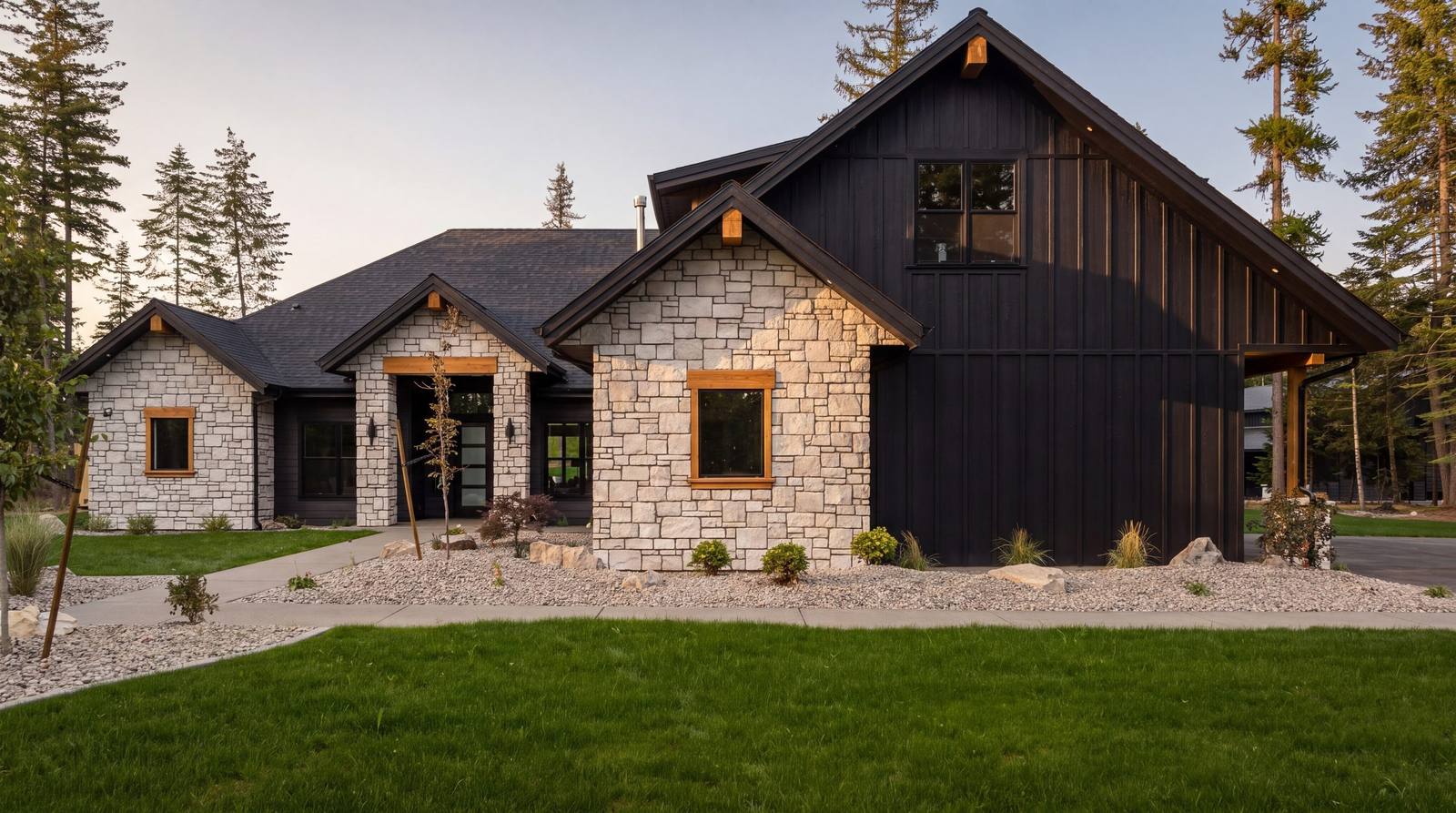
We handle the hard parts
Site work, wells and septic, county permitting, the build envelope for our winters — we manage all of it in-house, with our own crews and one point of contact. You get the fun parts; we carry the rest.
That matters more on private land than it does on a serviced lot. Every parcel has its own set of problems, and on raw ground the order things happen in is what keeps a build on schedule. Our process covers the preparation stage in detail — engineering, permitting, site planning, scheduling, materials and trades, all sequenced before anyone breaks ground.
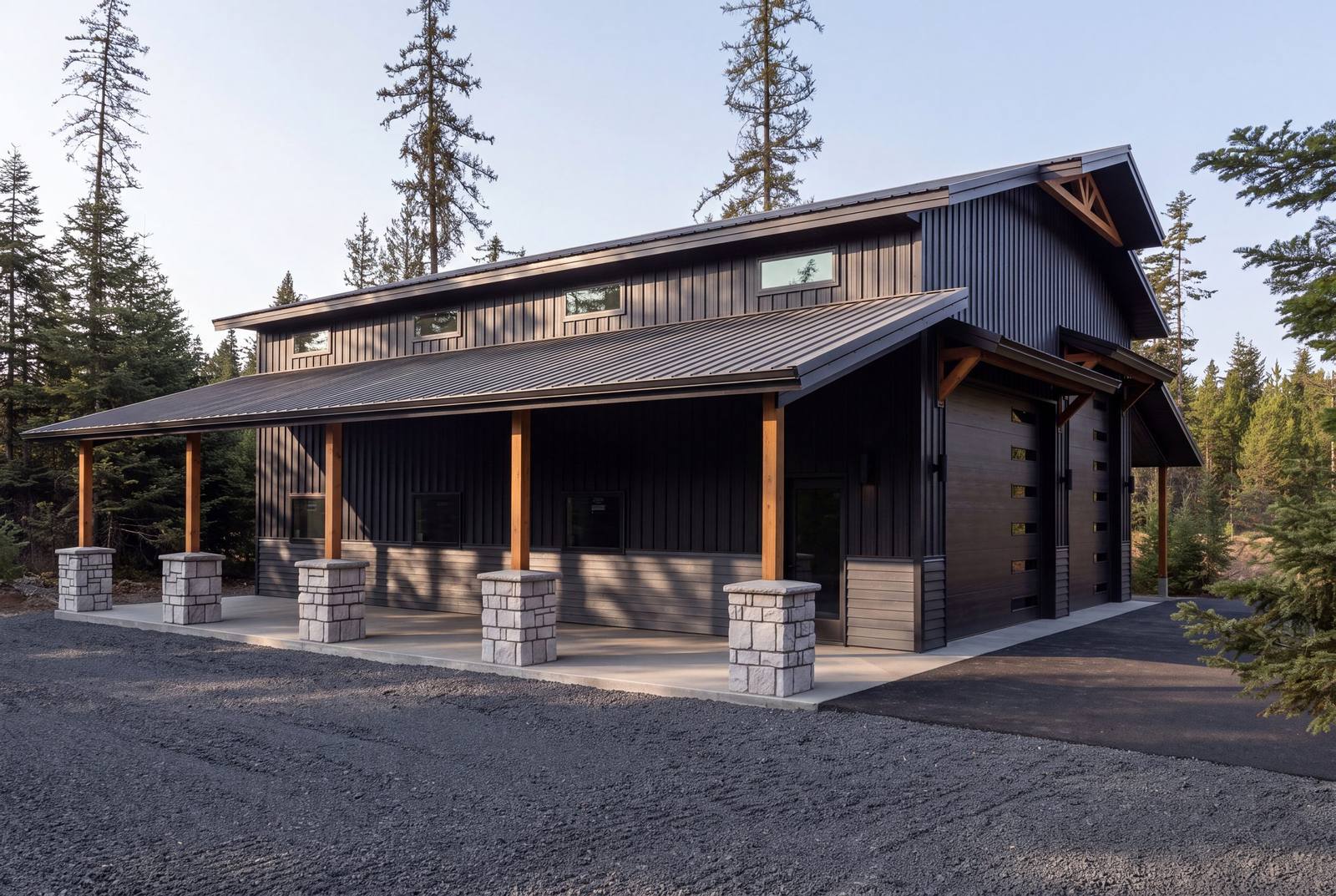
Room for a shop
Most people building on acreage want one, and it is far cheaper to plan for it now than to add it in three years. Designing the home and the shop together means the driveway, the power, the septic field and the sightlines all account for both buildings, and the two read as one property rather than two separate decisions.
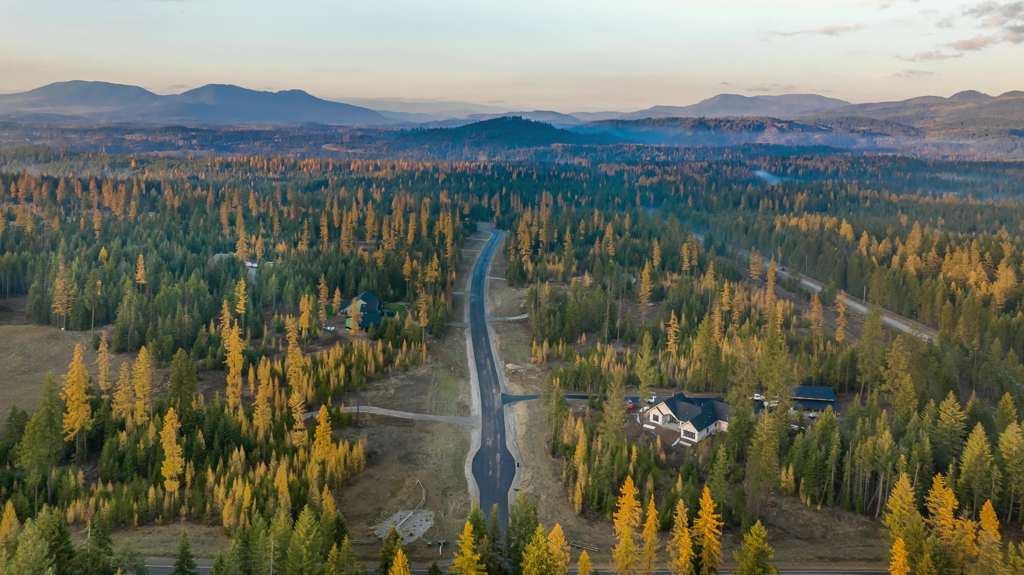
Don’t have land yet?
If you’re still looking, we can help there too — including build-ready five-acre lots at the Estates at Farragut, where the well, power, access and county approvals are already handled. And if you are weighing a raw parcel against a ready lot, what it costs to build here breaks down where the difference actually shows up.
Tell us where you want to build.
What to check before you buy
If you have not closed yet, a few things are worth knowing first. Whether there is a well or a proven water source nearby. Where power runs and what it costs to bring it in. Whether the parcel perc tests for septic, and where the drain field would have to go. What the legal access is, and whether it is maintained in winter. Kootenai County setbacks and any recorded covenants.
None of these are dealbreakers on their own. All of them change the budget, and finding out after closing is a worse way to learn. We are glad to walk a parcel with you before you buy — it costs you nothing and it is the cheapest hour in the whole project.
How long it takes
Building on private land runs longer than building on a ready lot, and most of the difference lands before construction starts. Design and engineering, county permitting, then the site work itself — access, power, well and septic — all have to happen in order, and several depend on weather. Once the ground is prepared, the build itself runs the same as anywhere else.
The useful thing is that almost none of that is guesswork by the time we start. Our process puts engineering, permitting, site planning, scheduling, materials and trades into one sequenced stage before anyone breaks ground, so the calendar is set rather than discovered.
← Back to the JournalMore from News & Journal.
What It Costs to Build a Custom Home in North Idaho
Land, site work, size, and finish level all move the number. Here’s an honest look at what shapes the cost of a custom home in North Idaho.
Read the story ›How to Choose a Custom Home Builder in North Idaho
A practical guide to hiring the right custom home builder in North Idaho — what to look for, the questions that matter, and why building here is different.
Read the story ›Our Custom Home Building Process
Every great home begins with a conversation. The seven stages of building a custom home with Safe Haven — from first vision to the day the door opens.
Read the story ›